
Budgeting for Commercial Cleaning: Tips for Small and Large Businesses
Whether you run a small startup or a sprawling enterprise, keeping your workspace clean is a must. A clean environment promotes productivity, keeps employees healthy, and leaves a great impression on clients. However, budgeting for commercial cleaning can be a challenge. From determining your specific needs to choosing services, it’s easy for costs to add up. Here’s a practical guide for small and large businesses to create an effective cleaning budget without going overboard.
Assess Your Cleaning Needs

Start by assessing what needs cleaning and how often. Different types of businesses require different levels of upkeep. For example, a small office might only need weekly cleaning, while a restaurant or health clinic may need daily service. If you’re looking for a reliable service, consider commercial general cleaning in Sydney or any other city for consistent upkeep. Break down the areas you need to clean—bathrooms, workstations, meeting rooms, and high-traffic areas—and decide on the frequency of each. Knowing what you need helps avoid unnecessary expenses.
Tip: Check your high-traffic areas like lobbies and kitchens. These areas often need more frequent attention than others, so factor them into your budget.
Set a Realistic Budget Range
Once you know your needs, set a budget range. For a small business, cleaning costs can range from $200 to $500 monthly. Larger operations, such as multi-floor offices, may need to budget between $1,000 and $5,000 or more, depending on the space size and cleaning requirements. Research average cleaning rates in your area to make a realistic estimate.
When setting a budget, consider your business type and how much you’re willing to spend to maintain cleanliness. Setting a firm budget helps prevent overspending and allows you to make adjustments as needed.
Tip: If you’re new to budgeting for cleaning, start with a flexible range. Track your actual expenses for a few months and adjust accordingly.
Prioritize Essential Cleaning Tasks

Not all cleaning tasks are created equal. For budget-friendly cleaning, focus on essential tasks first. For most businesses, essential tasks include dusting, vacuuming, mopping, and sanitizing restrooms. Once you’ve covered the basics, you can consider optional services, such as deep carpet cleaning, window washing, and special floor treatments.
If you’re working with a limited budget, prioritize the tasks that impact employee health and client impressions the most. Regular sanitation, especially in shared areas, helps prevent illness and keeps employees at their best.
Tip: List cleaning tasks as “must-have” or “nice-to-have.” This prioritization helps focus on necessities without stretching your budget.
Consider Frequency and Timing
How often you schedule cleaning impacts your budget. Daily cleaning costs more than weekly or bi-weekly services. For larger businesses, hiring a full-time janitorial staff might be more economical than outsourcing. On the other hand, small businesses can save by scheduling cleaning only during high-use periods or reducing service frequency.
The timing of cleaning services can also affect costs. After-hours cleaning can sometimes be more affordable since it avoids interrupting daily operations. Ask providers about their rates for different times and see if adjusting your schedule could save money.
Tip: Try scheduling deep cleaning services during slower business periods to avoid paying peak rates.
Get Multiple Quotes and Compare Services
Always get multiple quotes from cleaning companies. Price differences can be significant based on the company’s experience, location, and service scope. Comparing at least three quotes helps you find the best deal without sacrificing quality.
When comparing quotes, make sure each provider includes the same level of service, so you’re not comparing apples to oranges. Some companies offer package deals or discounts if you bundle services, such as carpet cleaning and window washing. Don’t be afraid to ask about customized packages that fit your unique needs.
Tip: When reviewing quotes, pay attention to whether they cover supplies like cleaning chemicals or if you’ll need to purchase these separately.
Use Eco-Friendly Cleaning Products Wisely
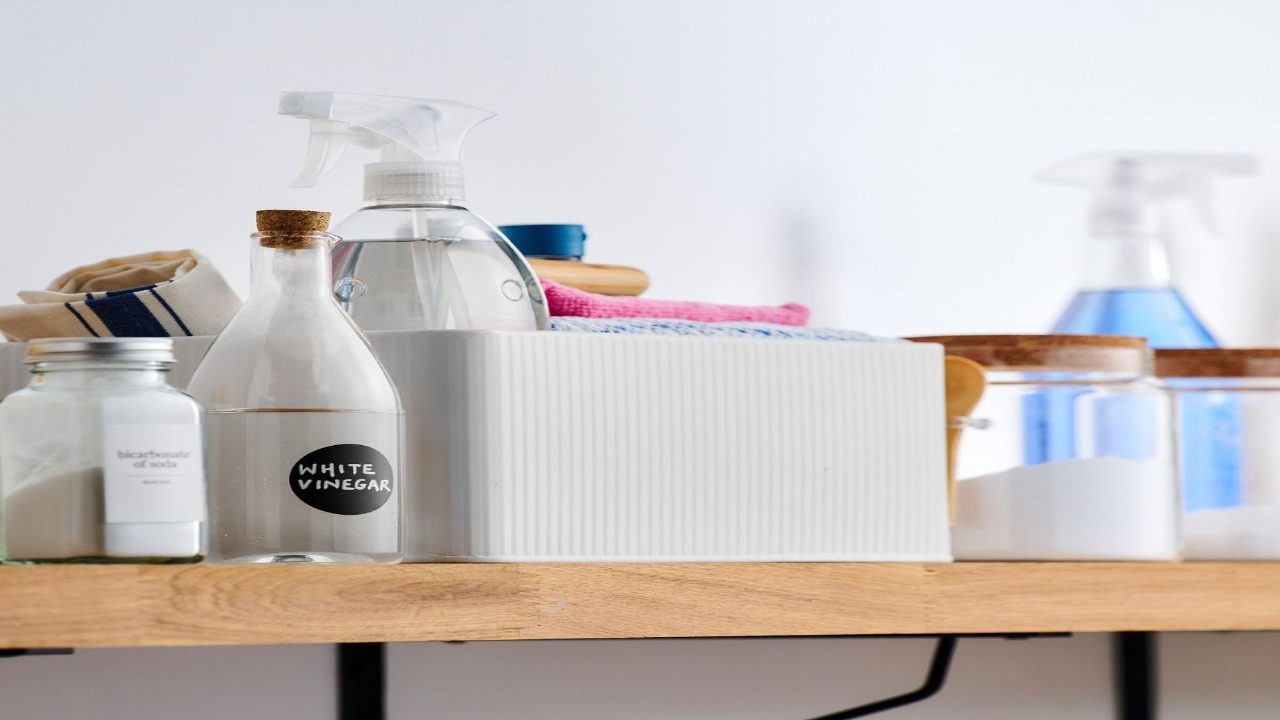
Switching to eco-friendly cleaning products is a popular choice among businesses today. While they often cost more, they can benefit both employees and the environment. For larger budgets, going green can even be a marketing advantage, showing customers your commitment to sustainability. If you’re on a tight budget, consider using eco-friendly products only for specific areas, such as restrooms or break rooms, rather than across the board.
Tip: Some cleaning companies specialize in eco-friendly cleaning. Ask if they offer sustainable packages that fit within your budget.
Plan for Unexpected Costs
Even with a solid budget, unplanned expenses can pop up. Spills, leaks, and emergencies like flu season may require extra cleaning services. Set aside a small contingency fund to cover these one-off expenses without disrupting your regular budget.
You can also ask your cleaning provider about emergency services or add-ons if an unexpected situation arises. Knowing your options will keep you from overspending if a cleaning emergency occurs.
Tip: A good rule of thumb is to reserve around 10% of your cleaning budget for unexpected costs.
Track Your Expenses and Adjust as Needed
Finally, tracking your cleaning expenses regularly is essential. Review invoices monthly and compare them to your budget. If you find areas where you’re overspending or underspending, adjust as needed. For example, if a weekly deep clean isn’t necessary, reduce it to bi-weekly and allocate those savings to another need.
Regular monitoring keeps your budget in check and helps you optimize your spending over time. If you’re using an outside cleaning company, ask for detailed invoices to see what you’re paying for each service.
Tip: Create a spreadsheet to monitor expenses or use accounting software that allows you to categorize cleaning expenses.
Final Thoughts
Budgeting for commercial cleaning doesn’t have to be complicated. With a few practical steps, you can keep your workspace spotless without straining your finances. By prioritizing essential tasks and being flexible with frequency, you can create a clean, healthy environment that supports your business’s success.