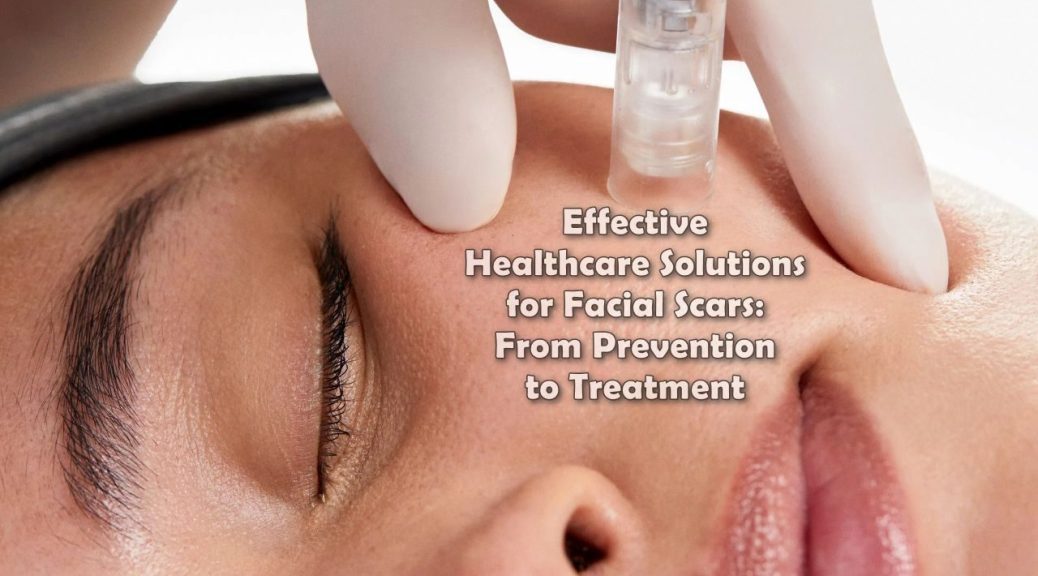
Effective Healthcare Solutions for Facial Scars: From Prevention to Treatment
Facial scars carry more than just a cosmetic burden. They often affect self-image, confidence, and in some cases, emotional well-being. Unlike minor skin blemishes, scars form as part of the body’s repair process, leaving behind traces that can be permanent without the right care. From acne pits to surgical marks and accidental lacerations, main types of scars, depths, and severities, each requiring a tailored approach.
Thankfully, modern dermatological care has grown far beyond basic creams or trial-and-error home remedies. Clinics like Lumine Dermatology now offer medically proven treatments, combining clinical precision with advanced technology. But the path to clearer skin often begins with proper prevention, accurate diagnosis, and a realistic expectation of improvement. Before choosing any method, it helps to explore what causes scarring and which treatments actually deliver results.
Common Causes and Main Types of Facial Scars

Facial scars are often linked to trauma, acne, surgery, burns, or skin infections. But not all scars look or behave the same way. Knowing the type of scar you’re dealing with is essential before starting treatment.
Atrophic scars, often left by severe acne or chickenpox, appear sunken or pitted due to collagen loss. Hypertrophic scars are raised, firm, and often red, staying within the boundary of the original wound. Keloids, on the other hand, grow beyond that boundary and are known for their dense texture and tendency to recur. There are also post-inflammatory hyperpigmentation marks, which aren’t technically scars but can visually mimic them.
Each of these scars forms through different biological responses. Genetics, skin tone, and even how a wound is treated early on can influence how noticeable a scar becomes. This variability is why personalized care matters in scar management.
Preventive Steps That Reduce the Risk of Facial Scarring
The most effective scar treatment is often prevention. When skin is wounded, whether from acne, surgery, or an accident, what happens in the first few days can make a lasting difference.
Cleansing the affected area gently, keeping it covered with a sterile dressing, and using silicone-based gel sheets early in the healing process can help reduce the chances of visible scarring. For acne, avoiding aggressive picking or popping is essential. These habits not only introduce bacteria but also increase tissue damage, which can deepen scars.
Sun exposure during healing also increases pigment changes and scar discoloration. Daily SPF use, even on cloudy days, should be non-negotiable. Dermatologists often recommend mineral sunscreens to avoid irritation on sensitive or compromised skin. These small changes in early care help the skin regenerate more evenly and may reduce the need for aggressive future treatments.
Topical Treatments and Prescription Options
Over-the-counter solutions often fall short for deeper scars but can support the skin’s natural repair process when used early. Ingredients like retinoids, vitamin C, azelaic acid, and niacinamide can help stimulate collagen and fade discoloration over time.
For more visible or stubborn scars, dermatologists may prescribe stronger formulations. Tretinoin, a prescription-grade retinoid, increases skin turnover and collagen remodeling. Hydroquinone or other pigment-targeting agents can reduce dark marks left by inflammation.
Corticosteroid creams or injections can also be used to reduce raised scars, especially for hypertrophic and keloid types. However, steroid use needs to be monitored to avoid skin thinning or rebound effects. Professional guidance ensures that treatments are not only effective but also safe for prolonged use on delicate facial areas.
Minimally Invasive Procedures That Deliver Visible Results

When topical solutions aren’t enough, light-to-moderate clinical interventions can make a clear difference. One of the most effective tools for acne scarring and fine wrinkles is microneedling. By creating controlled micro-injuries, it stimulates the body’s natural healing process and promotes collagen production.
Chemical peels, using acids like TCA or glycolic acid, resurface the upper skin layers. These treatments remove damaged skin cells and can soften scars, especially discoloration and surface irregularities. Results are often gradual, improving with multiple sessions.
Laser resurfacing is another key option. Fractional lasers, both ablative and non-ablative, are tailored to different scar types and skin tones. Non-ablative lasers are better for subtle texture improvements, while ablative lasers can target deeper scars. Each approach requires downtime and a skincare regimen to prevent post-procedure irritation and complications.
Advanced Therapies for Severe or Resistant Scarring
Some scars resist conservative treatments and require a more intensive approach. In such cases, dermatologists may turn to advanced procedures such as subcision, punch excision, or dermal fillers.
Subcision breaks up fibrous bands that tether depressed scars to deeper tissue, allowing the surface to lift and smooth out. Punch excision removes the scar entirely and closes the area with fine sutures or grafts. Though more invasive, these methods often give immediate results when done properly.
Injectable fillers, including hyaluronic acid-based options, can temporarily elevate atrophic scars. When used skillfully, they restore volume and create a more even skin surface. These treatments typically need touch-ups but can be an effective part of a multi-modal plan.
In rare cases where scars restrict movement or cause discomfort, surgical revision might be recommended. These procedures are precise and focused, often improving both form and function, especially in post-surgical or burn-related facial scars.
Long-Term Care and Emotional Support
Treating facial scars isn’t only a clinical process. It’s also emotional. Long-term care involves more than follow-up appointments or skincare routines, it also includes support for self-esteem and realistic expectations.
Patients often benefit from counseling or support groups, especially if scars developed during adolescence or are tied to trauma. A clear treatment roadmap, consistent skincare habits, and periodic dermatological evaluations help maintain progress and prevent setbacks.
Emotional resilience builds over time. Visible improvement in the mirror helps, but so does honest communication with your care provider. Tracking changes with photos, staying informed about emerging treatments, and engaging with trustworthy dermatology clinics offer a well-rounded strategy for lasting improvement.
Facial scars are more than cosmetic concerns. They represent healing, injury, and in some cases, personal history. Fortunately, modern dermatology offers a wide range of tools, from prevention and topical care to clinical treatments and reconstructive options. Effective results come from combining expert care, consistency, and an individualized plan. With the right guidance, even the most persistent facial scars can be managed and minimized, helping people face the world with renewed confidence.