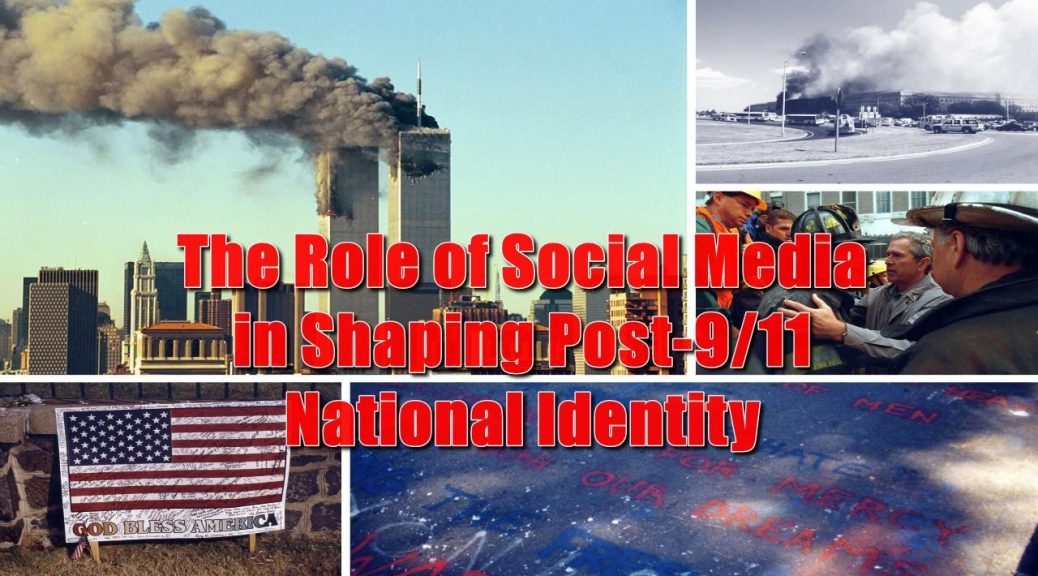
The Role of Social Media in Shaping Post-9/11 National Identity
The events of September 11, 2001, profoundly changed America. In the wake of this tragedy, social media emerged as a powerful tool for communication and expression. While the platforms were not as advanced as they are today, their early forms laid the groundwork for significant shifts in how Americans viewed their national identity. This article explores the role of social media in shaping that identity in the years following 9/11.
Nationalism and Patriotism
Social media played a crucial role in promoting a renewed sense of nationalism and patriotism. In the months following 9/11, many users expressed their pride in being American. The iconic image of the 9/11 American flag became a prevalent symbol in online spaces. Profiles and pages adorned with the flag served as a digital rallying cry.
Social media influencers and public figures utilized their platforms to encourage patriotic sentiments. They shared messages about supporting the military, first responders, and the nation. This surge in patriotic expression reinforced a national identity centered around unity and strength. Users engaged with content that celebrated American values.
Social Media as a Platform for Activism
As the years progressed, social media evolved into a powerful tool for activism. Various movements arose, advocating for changes in policy and promoting social justice. The post-9/11 landscape saw an increase in awareness regarding civil liberties, particularly concerning the impacts of the USA PATRIOT Act. Activists used platforms like Twitter and Facebook to organize protests and share information.
For instance, organizations focused on civil rights rallied support online, highlighting the experiences of marginalized communities affected by national security policies. Hashtags like #CivilLiberties and #NoMoreWar gained traction as users shared stories and mobilized support. This activism shaped a broader understanding of national identity.
Navigating a New National Narrative
Social media also played a crucial role in navigating the complexities of a post-9/11 national narrative. As various events unfolded, including military actions abroad, discussions emerged regarding America’s role in the world. Users debated foreign policy and its implications, often expressing their views through social media.
Public discourse on social media allowed for a more nuanced understanding of national identity. Users questioned the notion of American exceptionalism and engaged in conversations about global responsibility. This dialogue fostered an awareness that national identity is not static but evolves based on societal experiences and interactions.
The Rise of Influencers and Digital Storytelling
In recent years, influencers have gained prominence on social media platforms. Many use their platforms to share personal narratives that resonate with a broader audience. This shift toward digital storytelling allows for diverse voices to shape national identity.
Influencers often share stories of resilience, hope, and activism, connecting with followers on a personal level. This relatability helps to humanize complex issues, fostering empathy and understanding. As users engage with these stories, they contribute to a collective narrative that reflects the values and challenges of contemporary America.
Social media has played an instrumental role in shaping post-9/11 national identity. From collective grief and patriotism to activism and nuanced discussions, these platforms have facilitated a diverse array of expressions and experiences. In this digital age, every post, tweet, and share contributes to the evolving story of what it means to be American.